Advanced Medical Simulation Training
Enhance your emergency response capabilities through immersive simulation technology
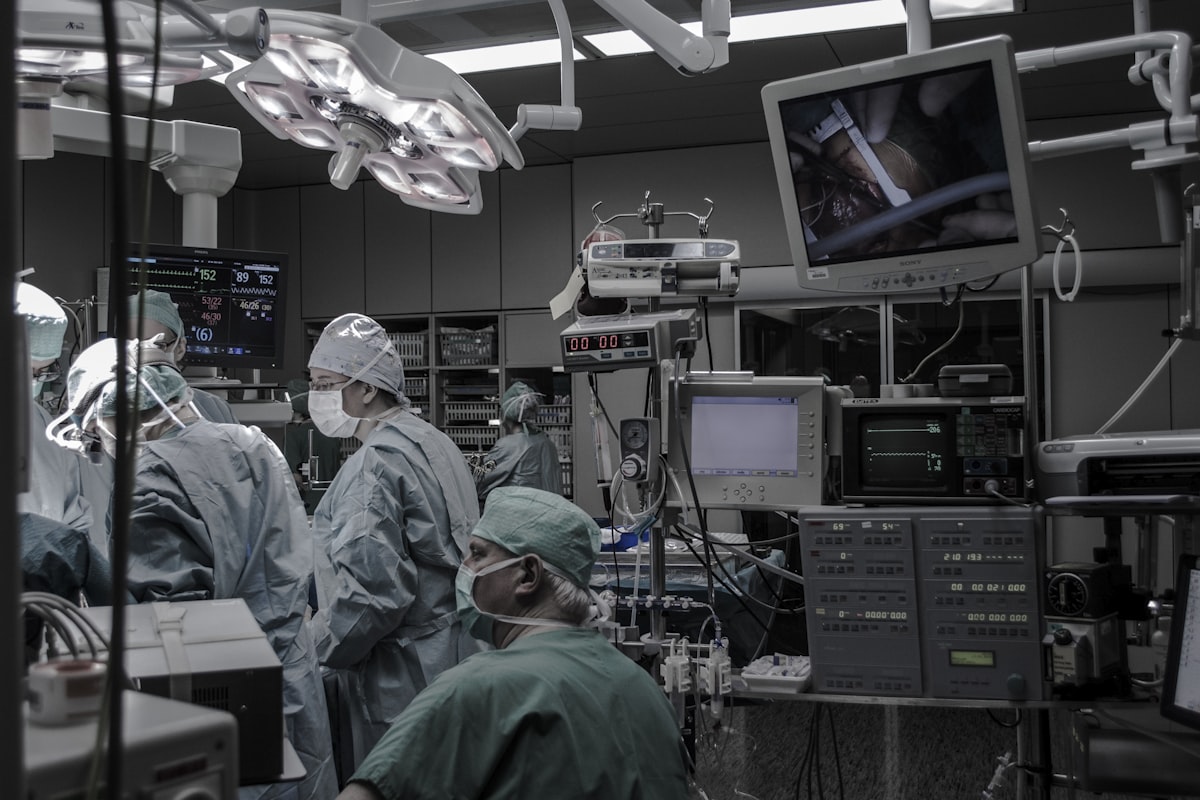
Professional Training Solutions
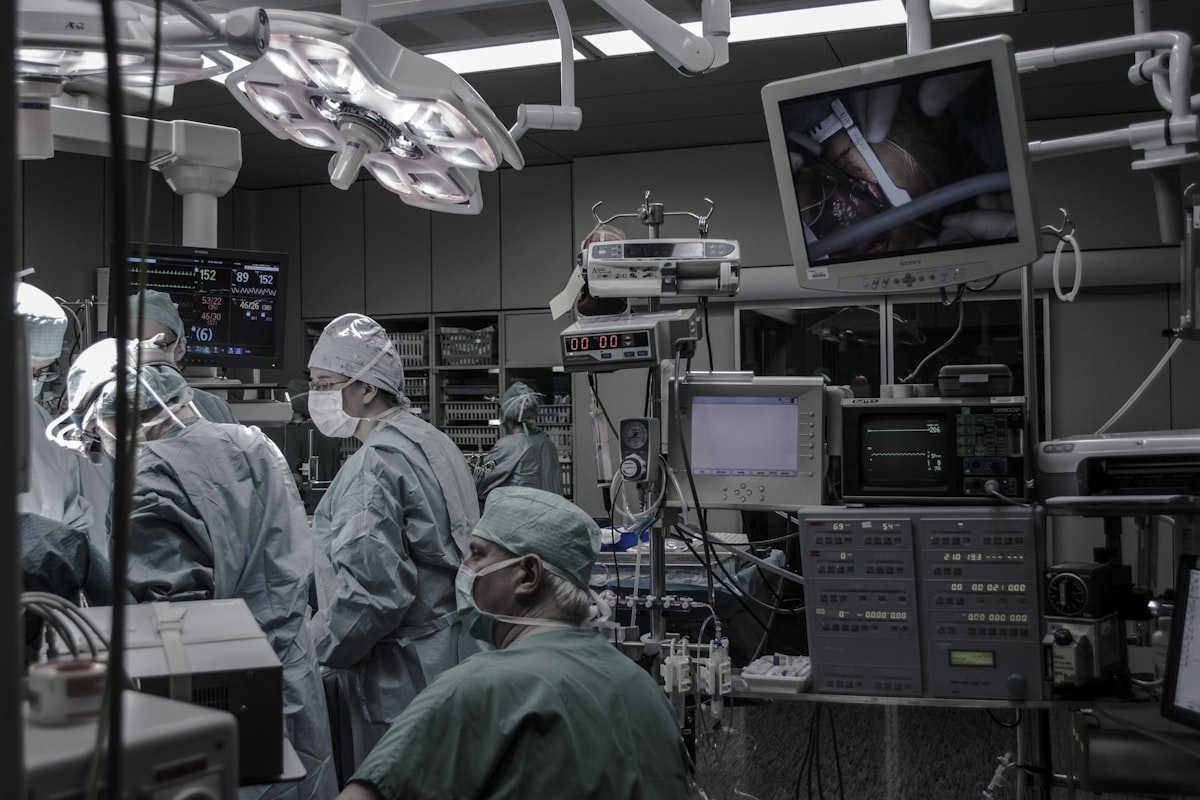
Our comprehensive simulation program offers advanced training modules for both medical professionals and individuals seeking to develop essential emergency response skills. Through realistic scenarios and interactive learning, participants can significantly improve their knowledge and confidence in providing medical assistance.
Medical Care Training
Master fundamental emergency medical procedures through guided simulation scenarios
Patient Assessment
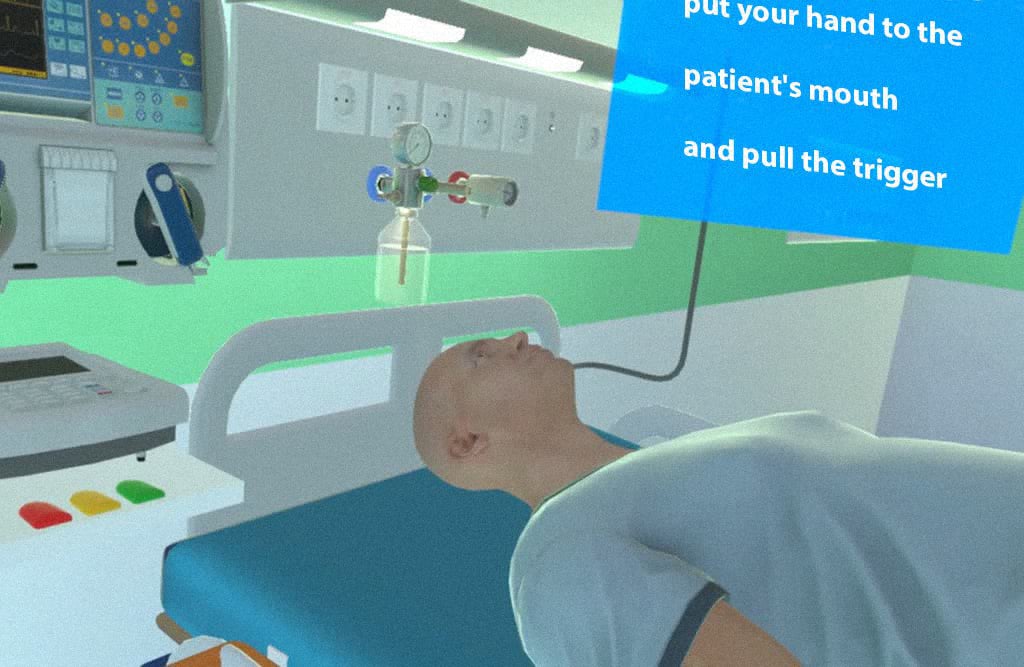
Learn systematic patient evaluation techniques, including proper positioning and initial inspection protocols essential for effective emergency response.
Emergency Communication
Develop critical communication skills for activating emergency response systems and conveying essential information during medical emergencies.
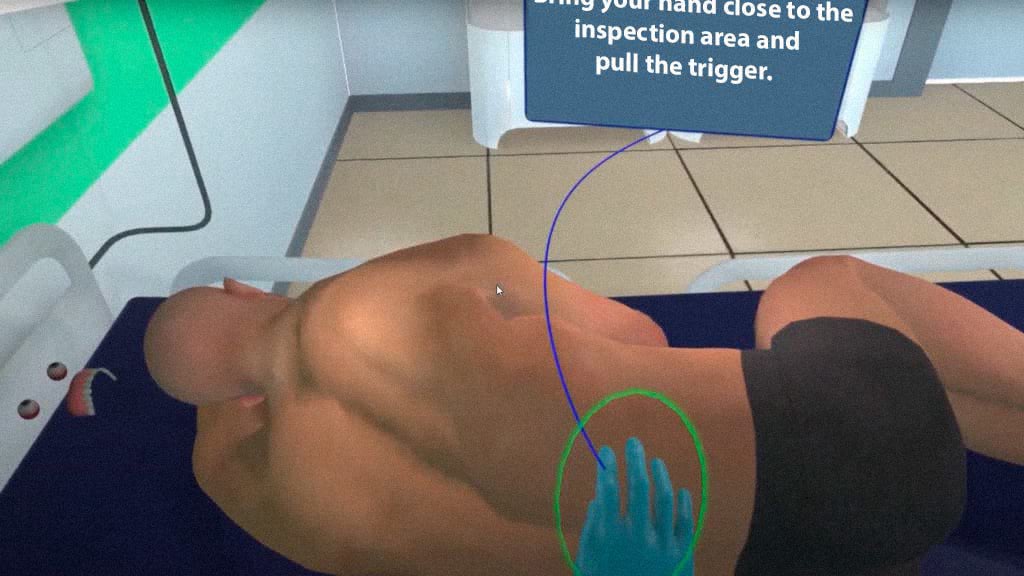
Airway Management
Practice vital airway assessment techniques and breathing evaluation methods crucial for patient stabilization in emergency situations.
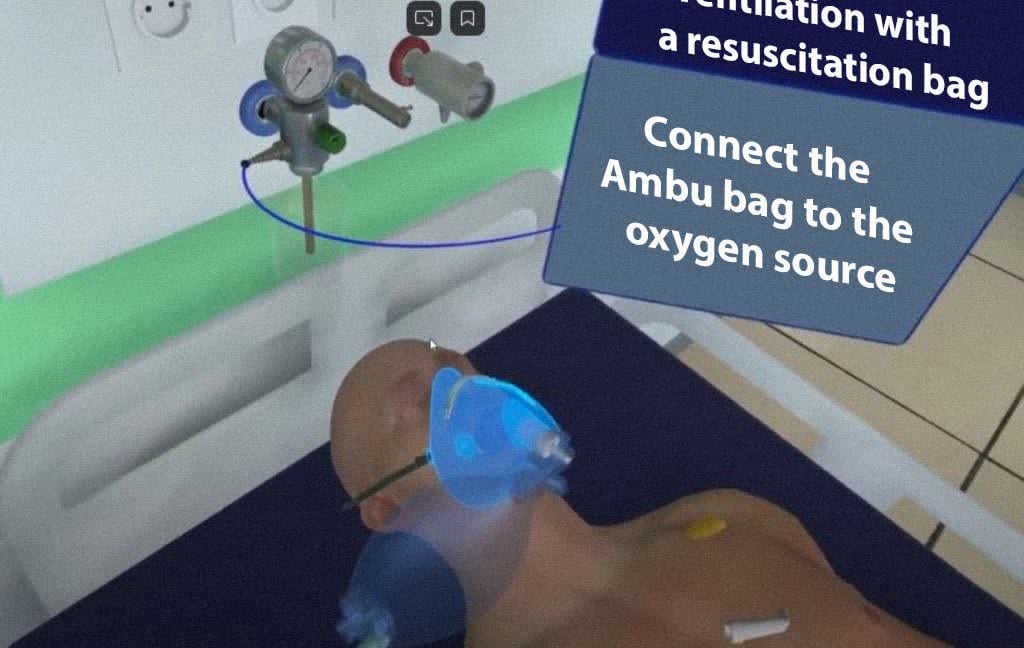
Safety Protocols
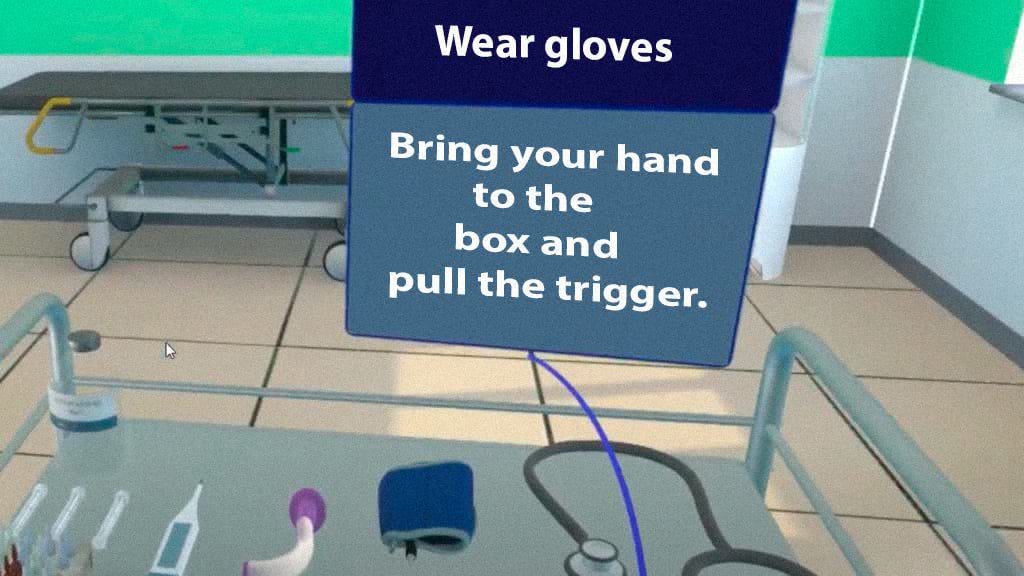
Understand the importance of personal protective equipment and proper safety procedures when providing medical assistance to ensure both provider and patient safety.
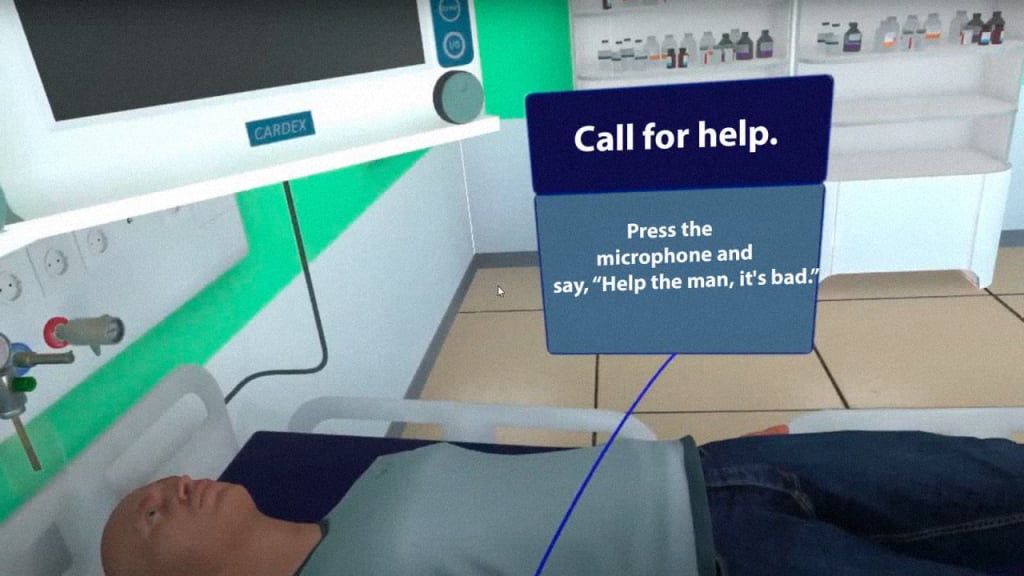
Ventilation Support
Gain proficiency in respiratory support techniques, including proper setup and use of ventilation equipment and oxygen delivery systems.
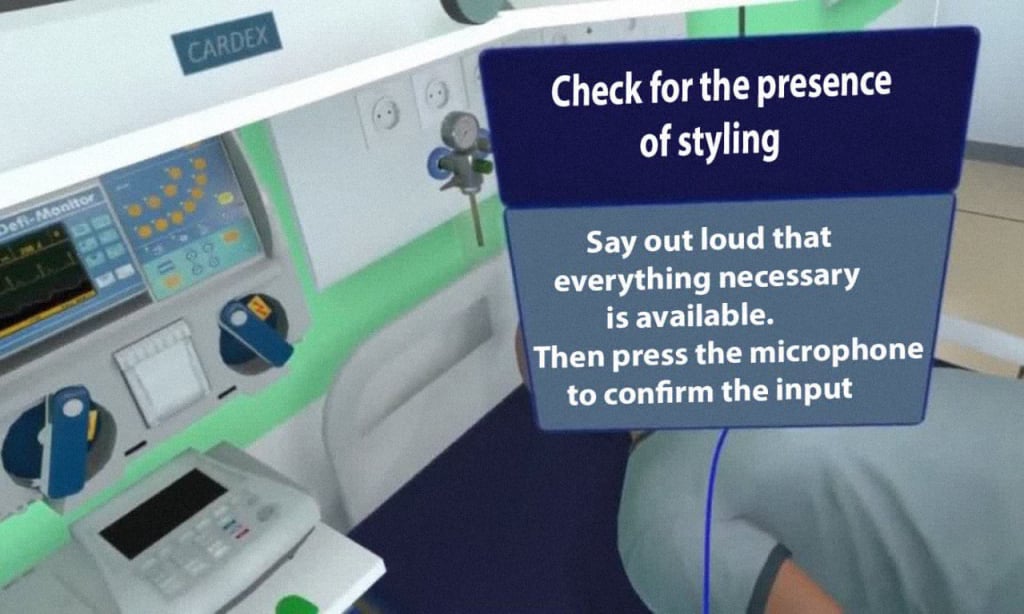
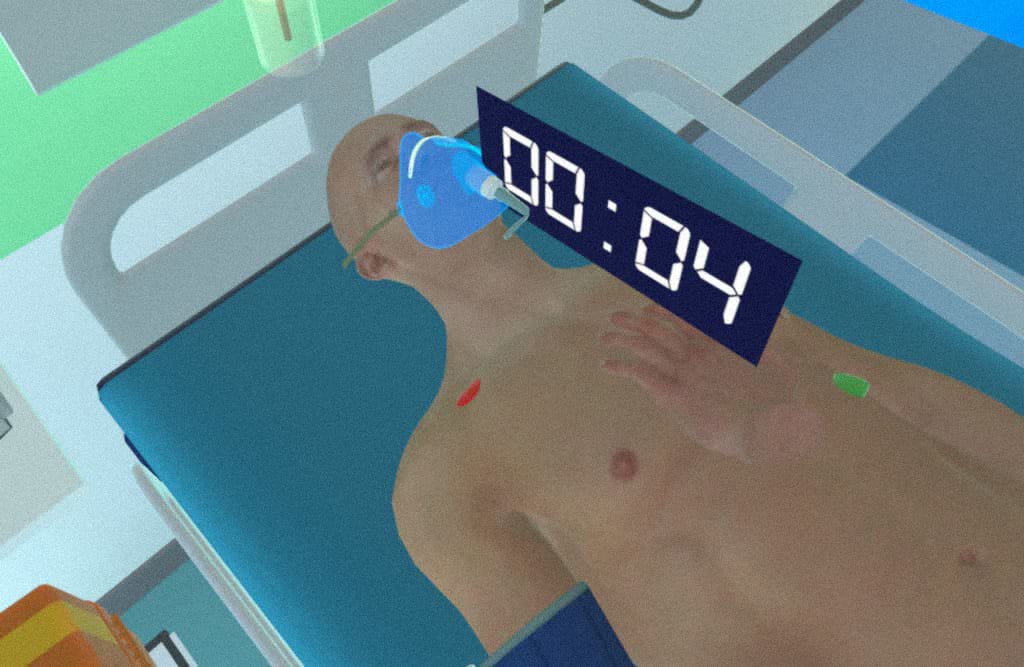
Time-Critical Monitoring
Develop awareness of critical time intervals during emergency interventions. Practice precise timing of ventilation cycles and procedural steps to optimize patient outcomes under time-sensitive conditions.
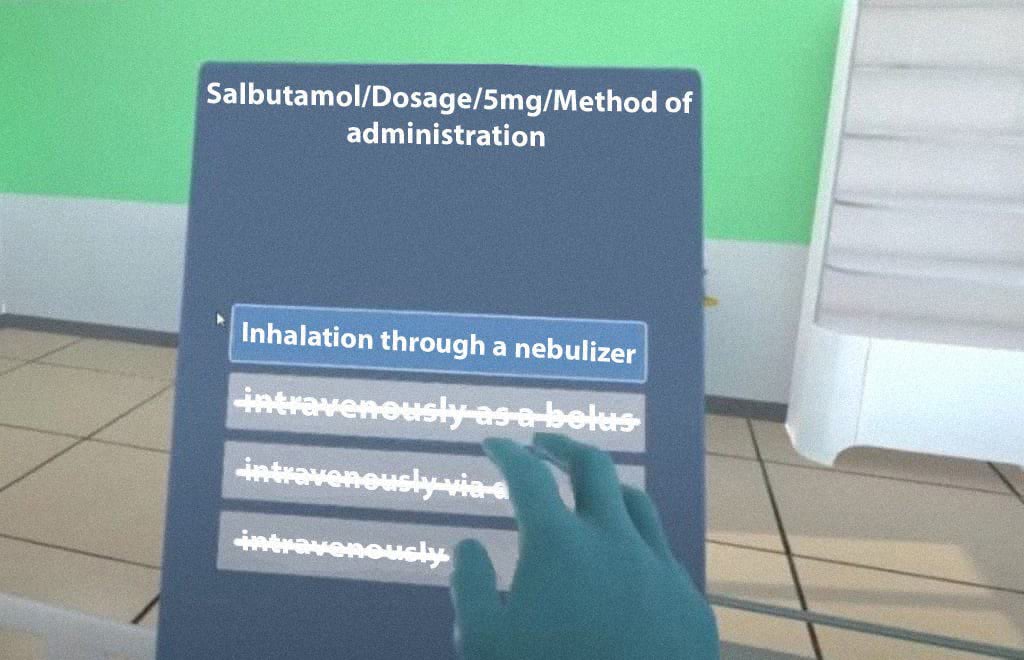
Medication Administration
Learn proper pharmacological protocols, including dosage calculations and selection of appropriate administration routes such as inhalation, intravenous, and other delivery methods for emergency medications.
Equipment Verification
Master the essential pre-procedure checklist for verifying availability and functionality of medical equipment. Develop systematic verification habits that ensure readiness before initiating emergency interventions.
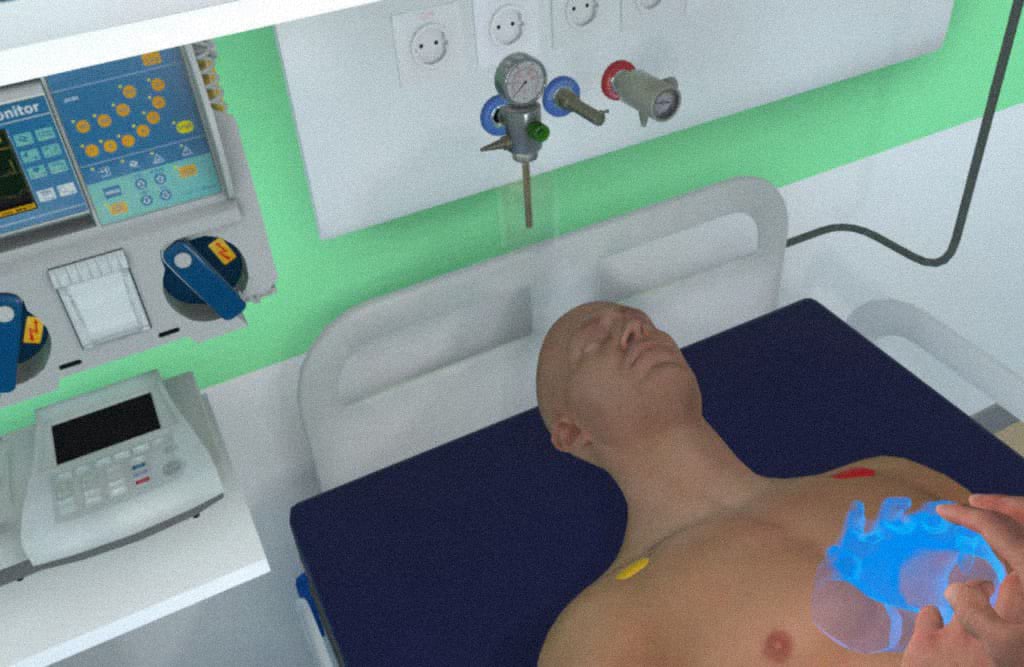
Respiratory Support Application
Practice correct application of respiratory support devices, including proper mask placement and seal verification. Build confidence in delivering effective oxygen therapy and assisted ventilation to patients in distress.
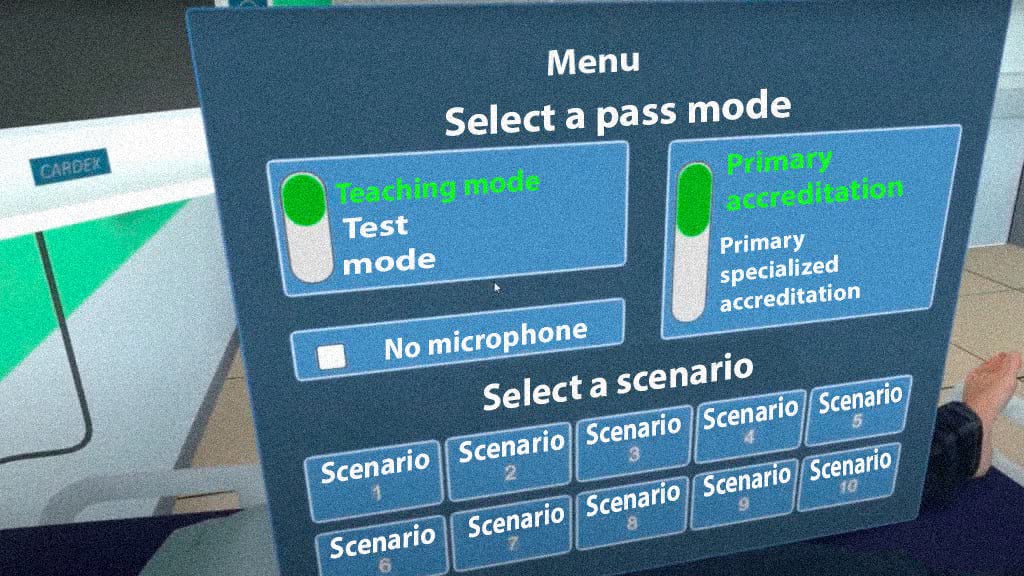
Adaptive Learning Modes
Navigate flexible training environments with multiple learning modes including teaching, testing, and accreditation scenarios. Select from diverse clinical scenarios to tailor your educational experience to specific skill development needs.
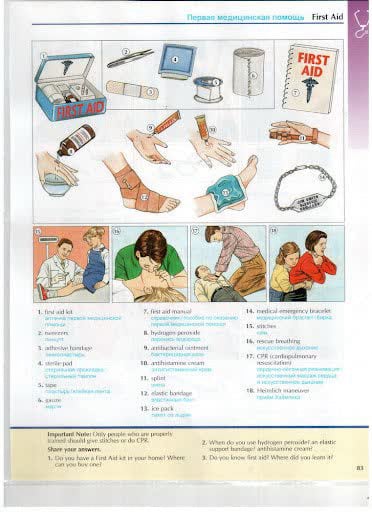
First Aid Fundamentals
Study essential first aid concepts through structured educational materials covering first aid kits, bandages, splints, tourniquets, and life-saving procedures including CPR and choking response techniques.
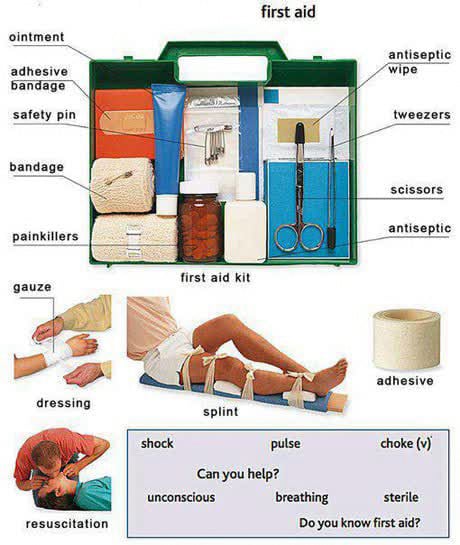
First Aid Kit Components
Identify and understand the purpose of each item in a standard first aid kit, including ointments, adhesive bandages, gauze, dressings, splints, antiseptics, scissors, and tweezers, along with key emergency terminology.
Tactical Medicine
Advanced training for high-stress combat medical scenarios and field emergency response
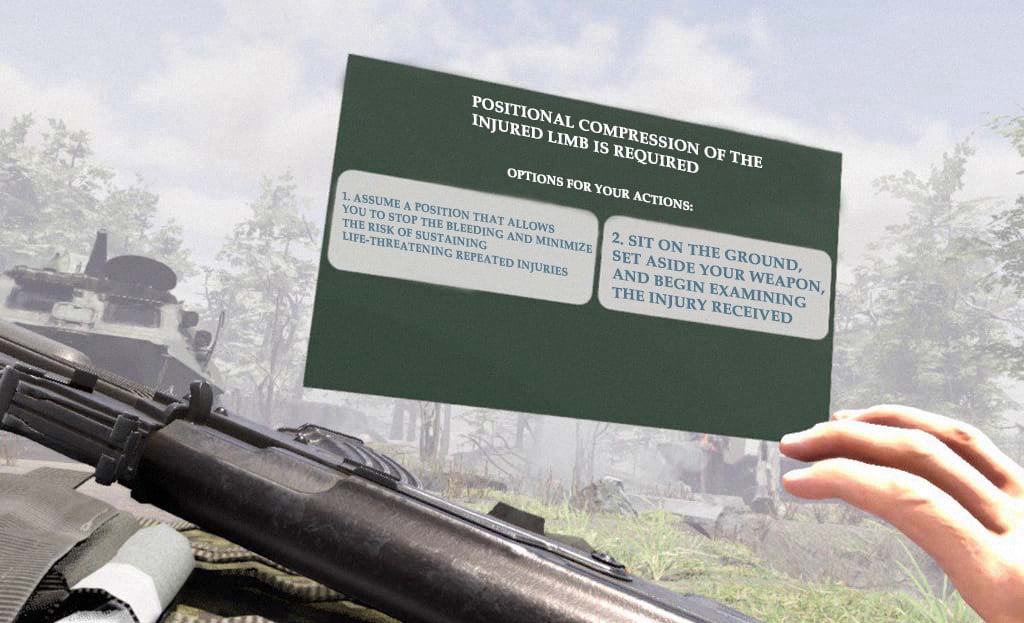
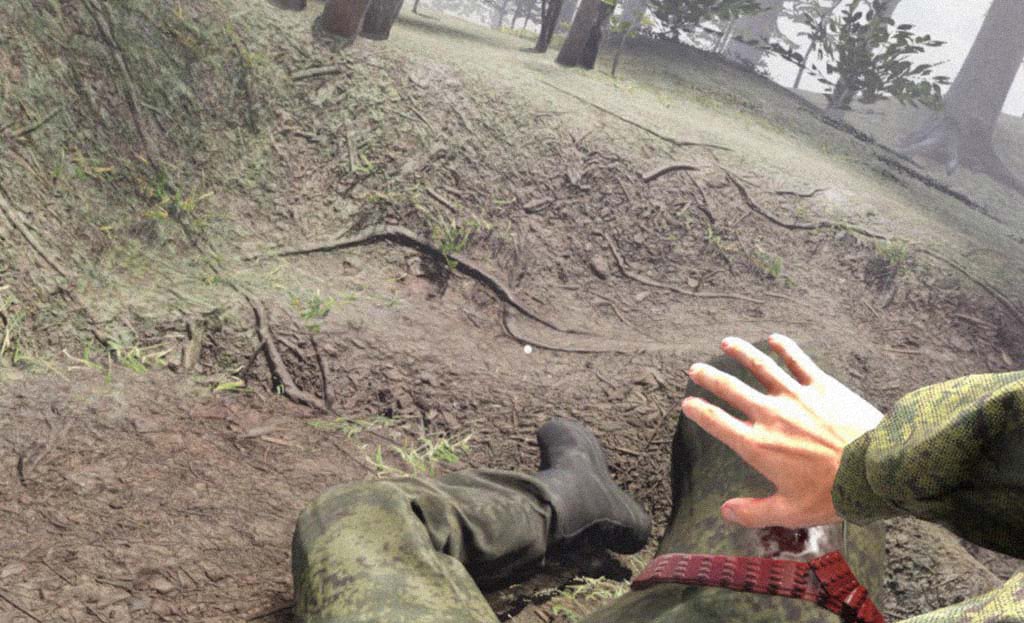
Positional Compression & Injury Management
Learn critical decision-making for managing limb injuries in combat zones. Practice selecting appropriate body positioning to control bleeding while minimizing risk of repeated injuries in hostile environments.
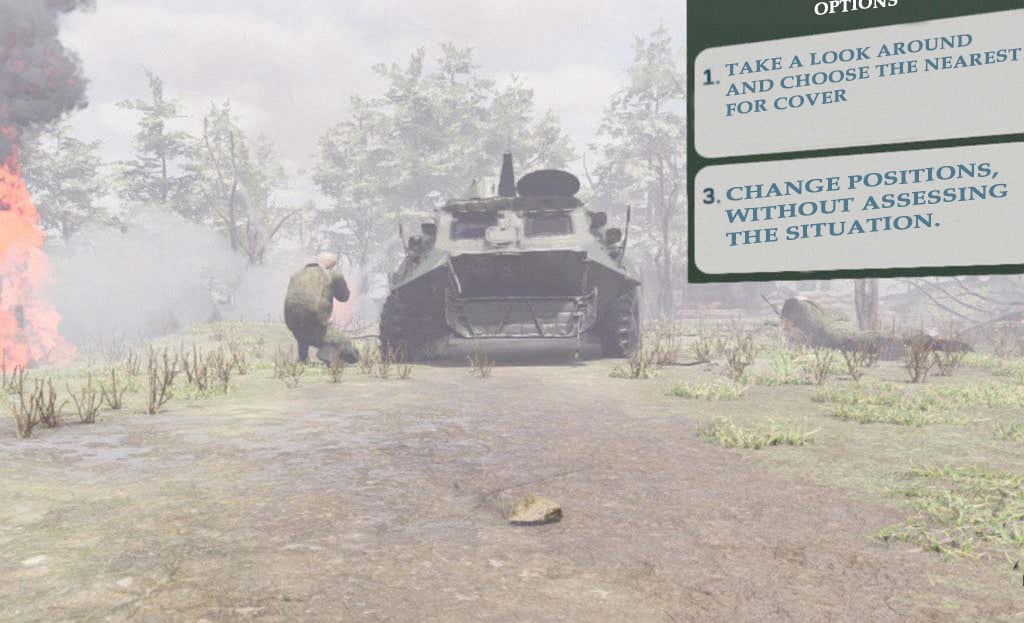
Situational Awareness & Cover Selection
Master the essential skill of environmental assessment during medical emergencies. Learn to identify and utilize available cover while providing self-aid or buddy-aid in active threat scenarios.
Combat Injury Assessment & Resource Management
Develop systematic approaches to injury evaluation under fire. Practice rapid assessment of gunshot wounds with time-critical bleeding scenarios in red zone environments.
First-Person Self-Aid Techniques
Experience realistic first-person perspective training for self-treatment in field conditions. Practice applying medical interventions while managing pain, shock, and environmental hazards in combat zones.
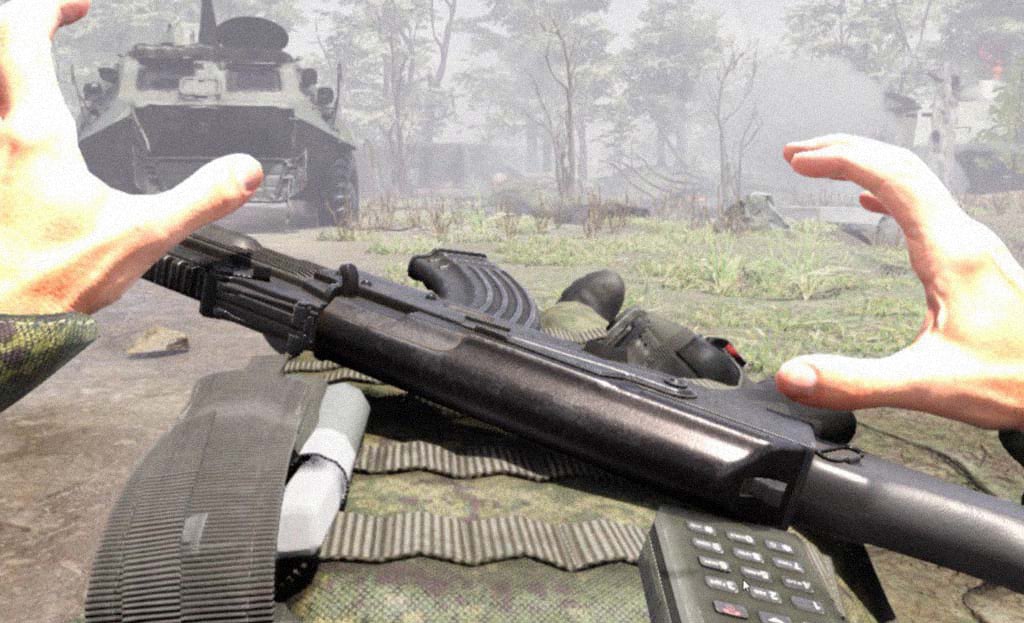
Weapon & Equipment Management During Care
Practice maintaining weapon readiness and tactical equipment accessibility while administering emergency medical care. Learn proper techniques for balancing defensive posture with medical intervention requirements.
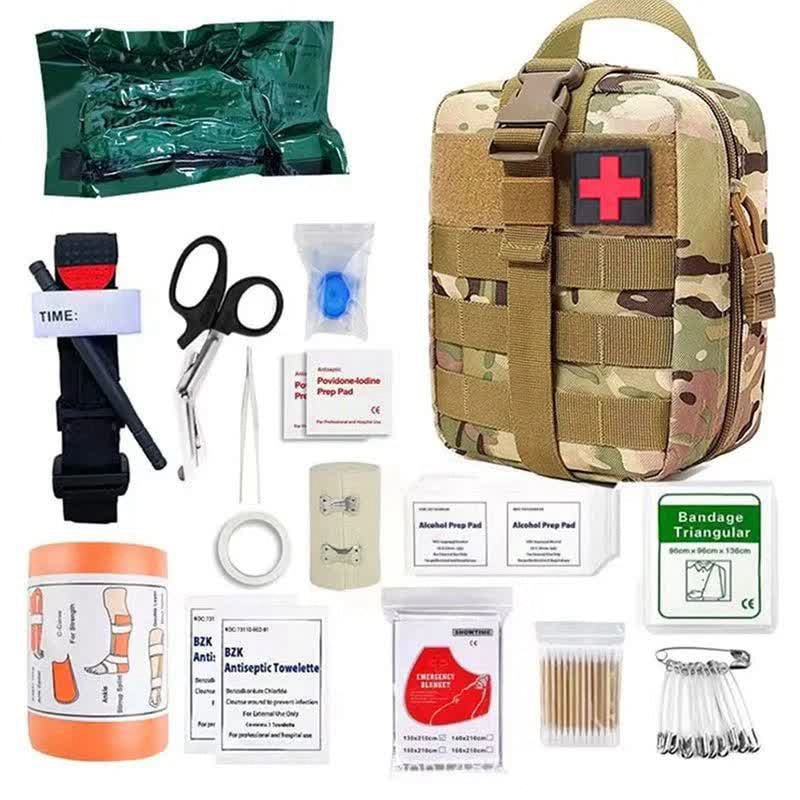
Individual First Aid Kit (IFAK)
Explore the contents and proper use of a tactical individual first aid kit, including tourniquets, trauma bandages, antiseptic wipes, emergency blankets, triangular bandages, and other essential field medical supplies for combat casualty care.
Begin Your Training Journey
Explore our comprehensive simulation platform designed to enhance medical knowledge and emergency preparedness
Request Information